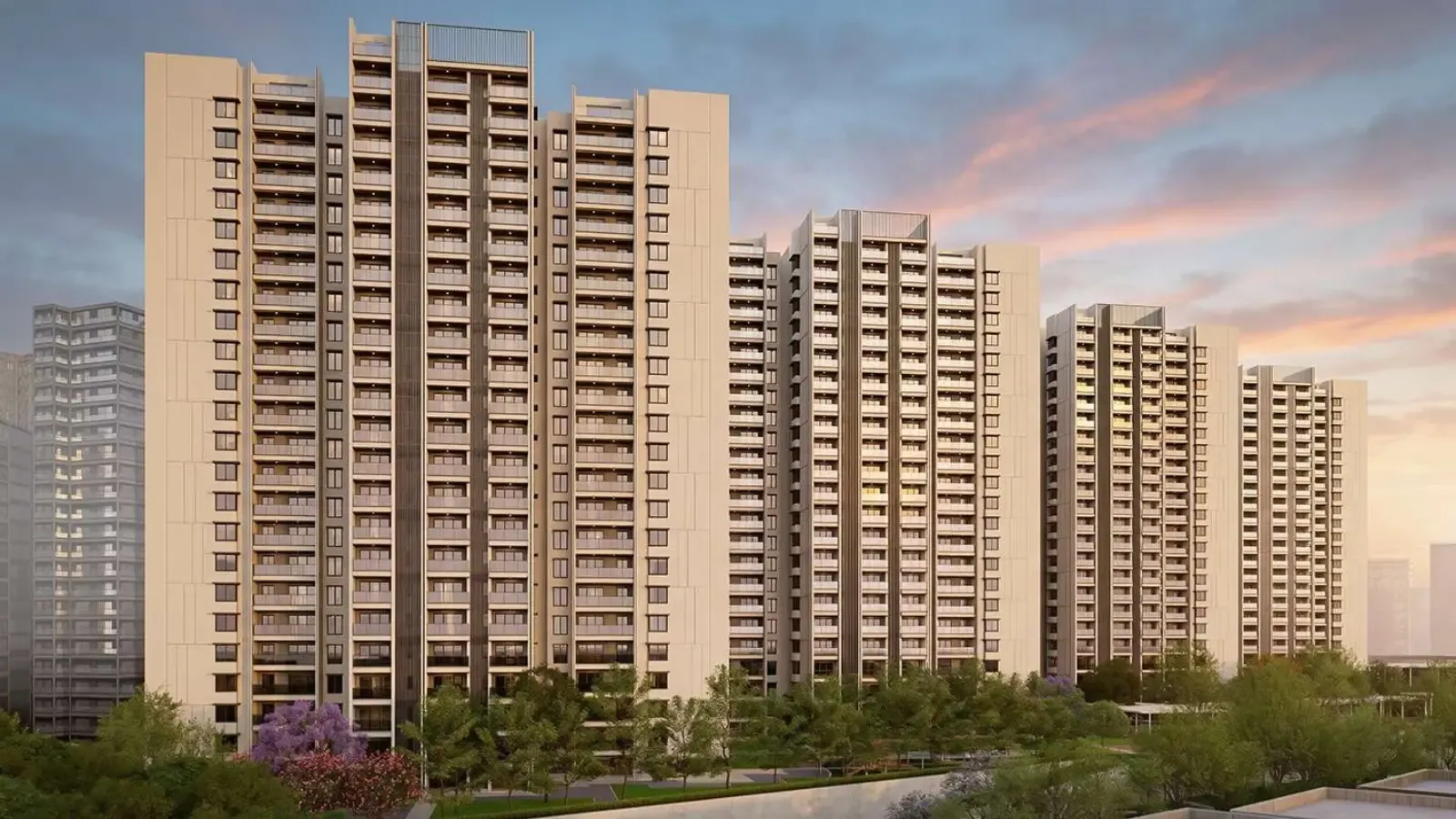
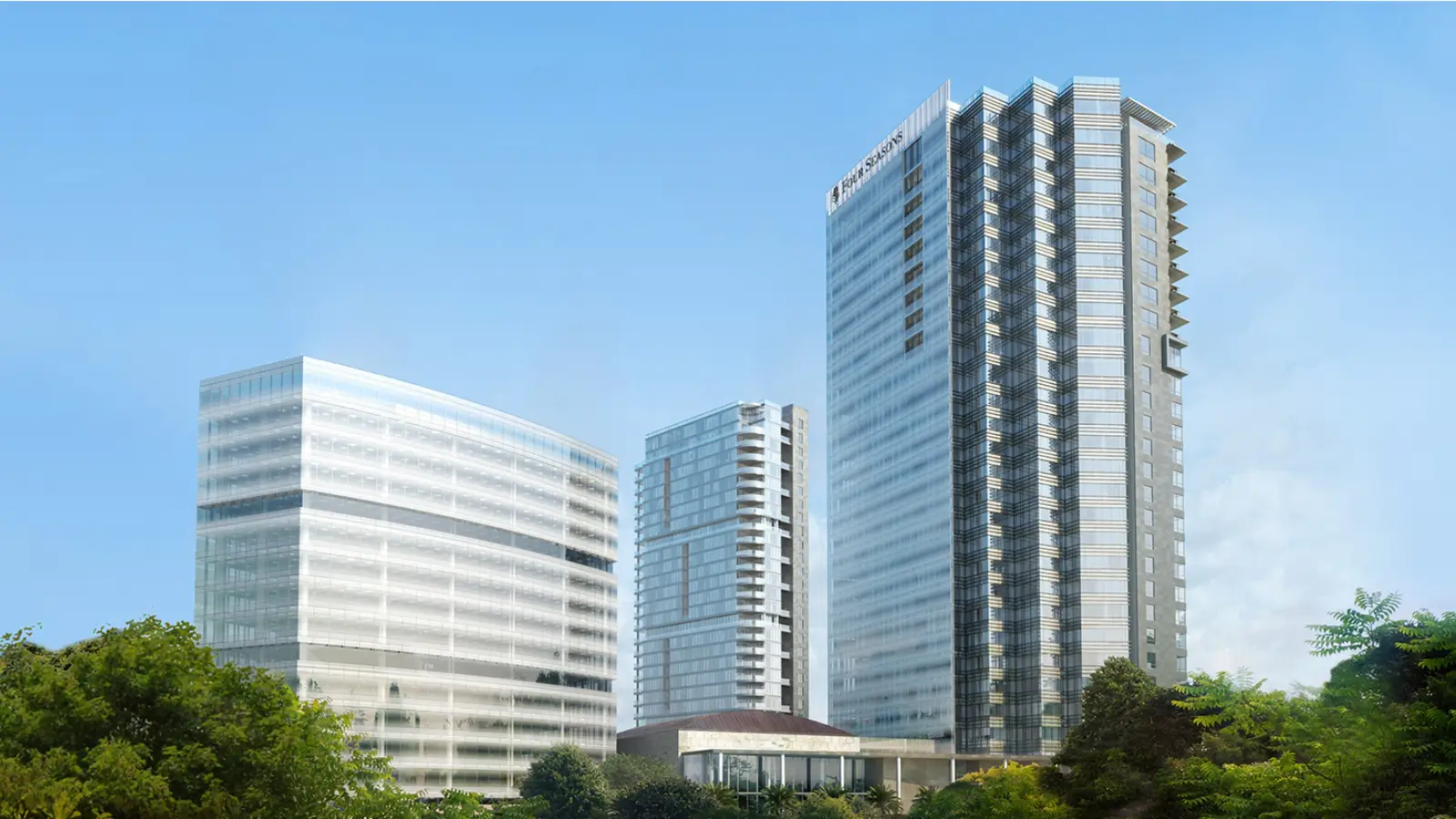
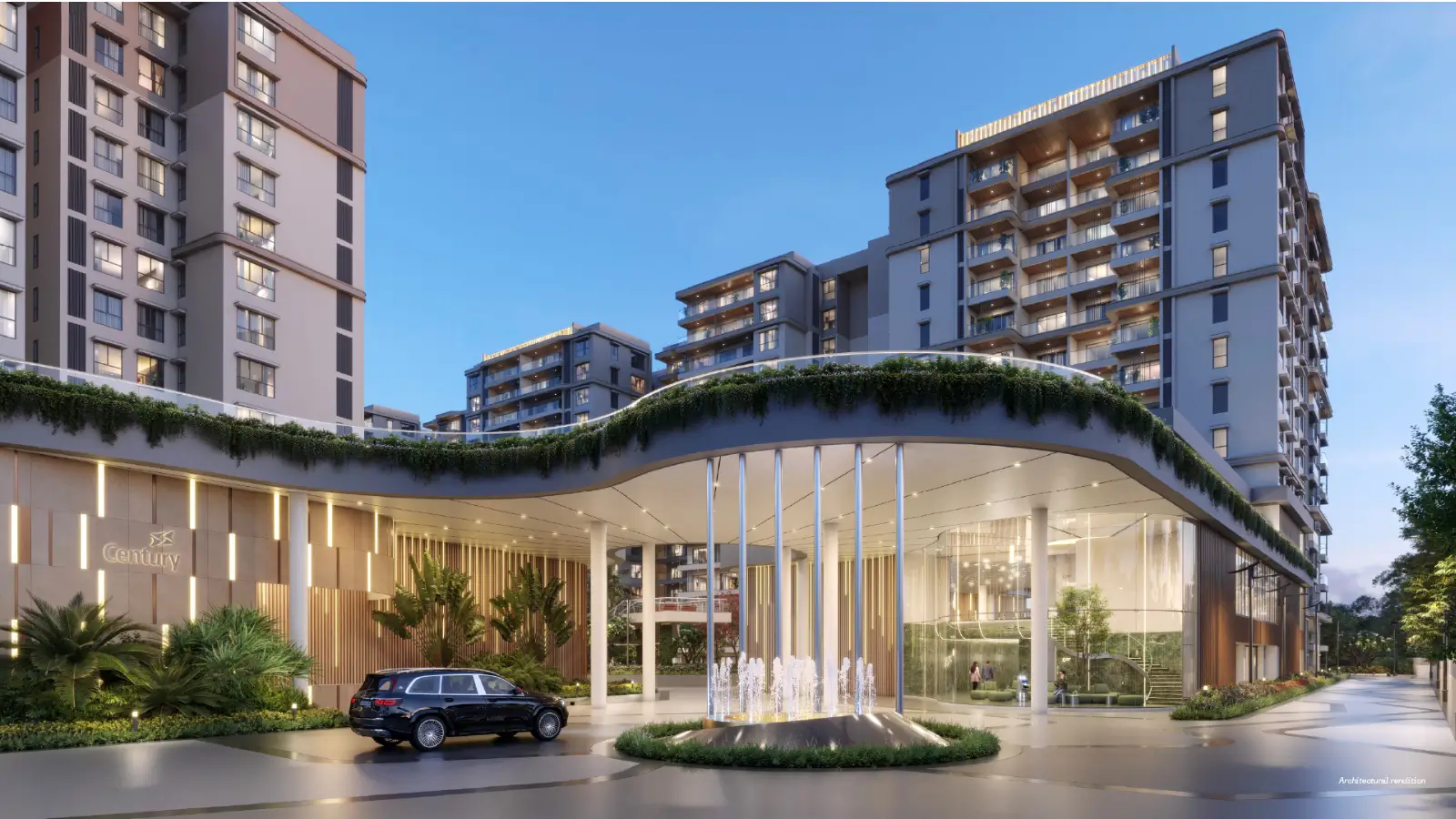
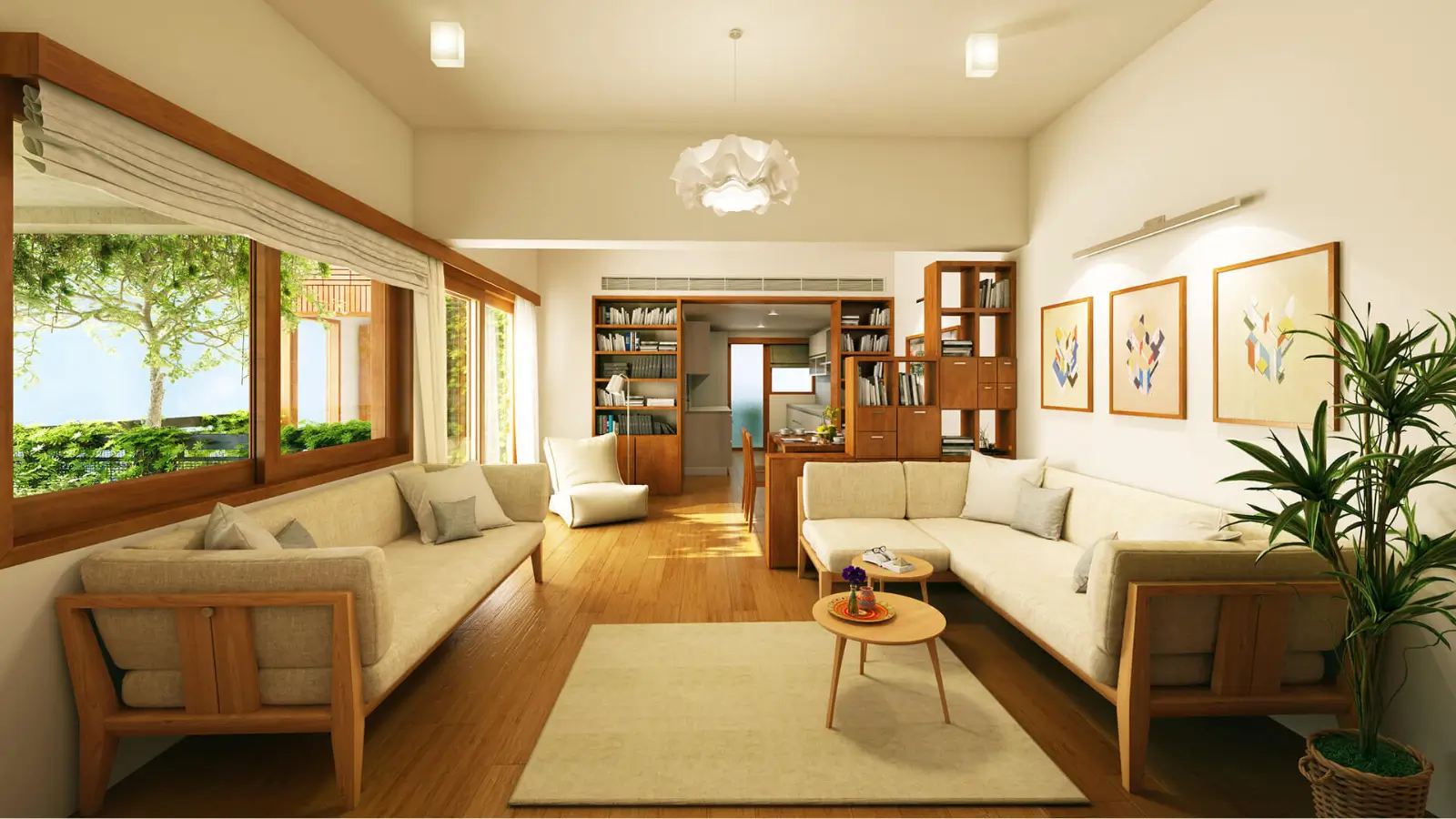
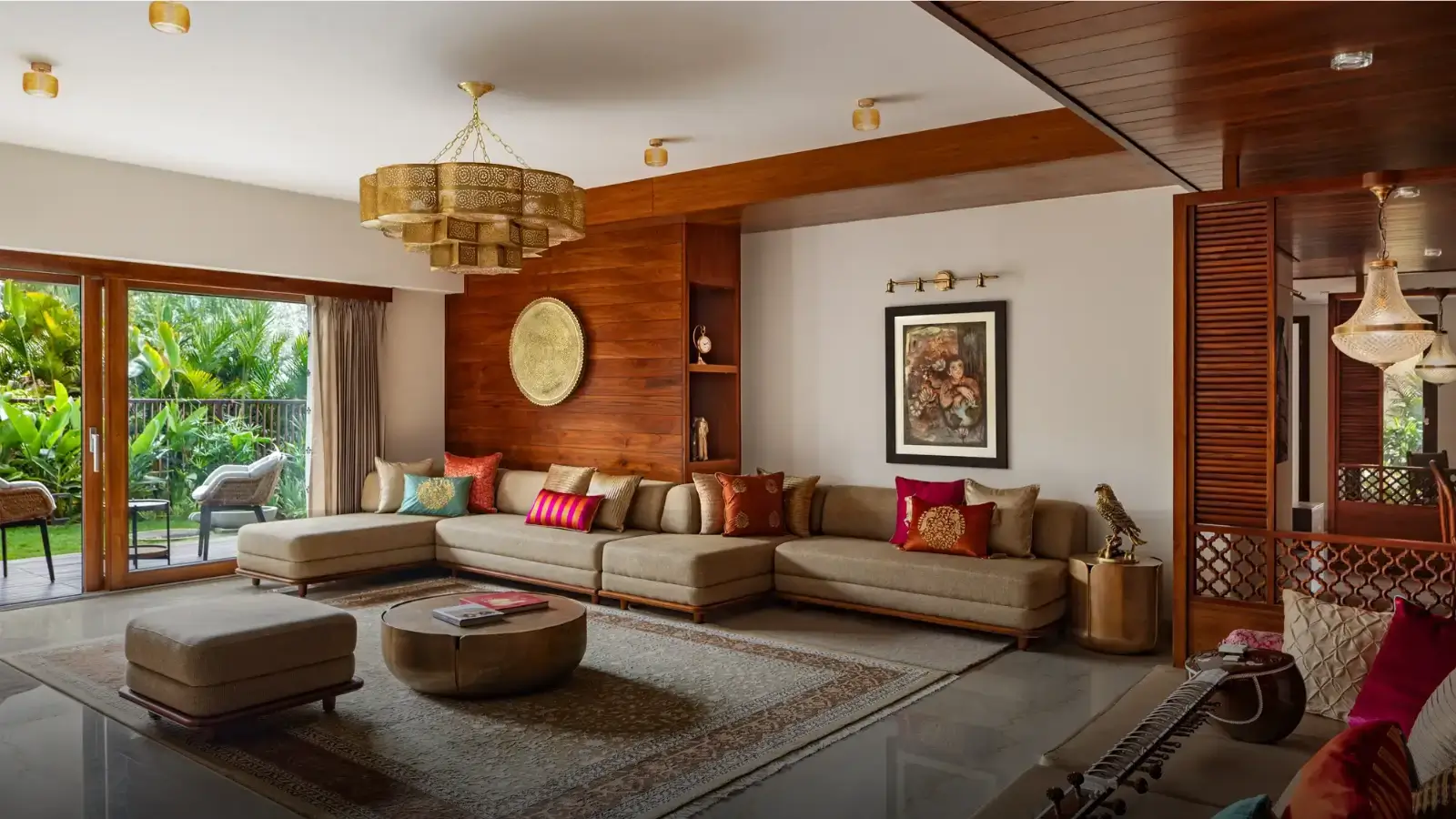
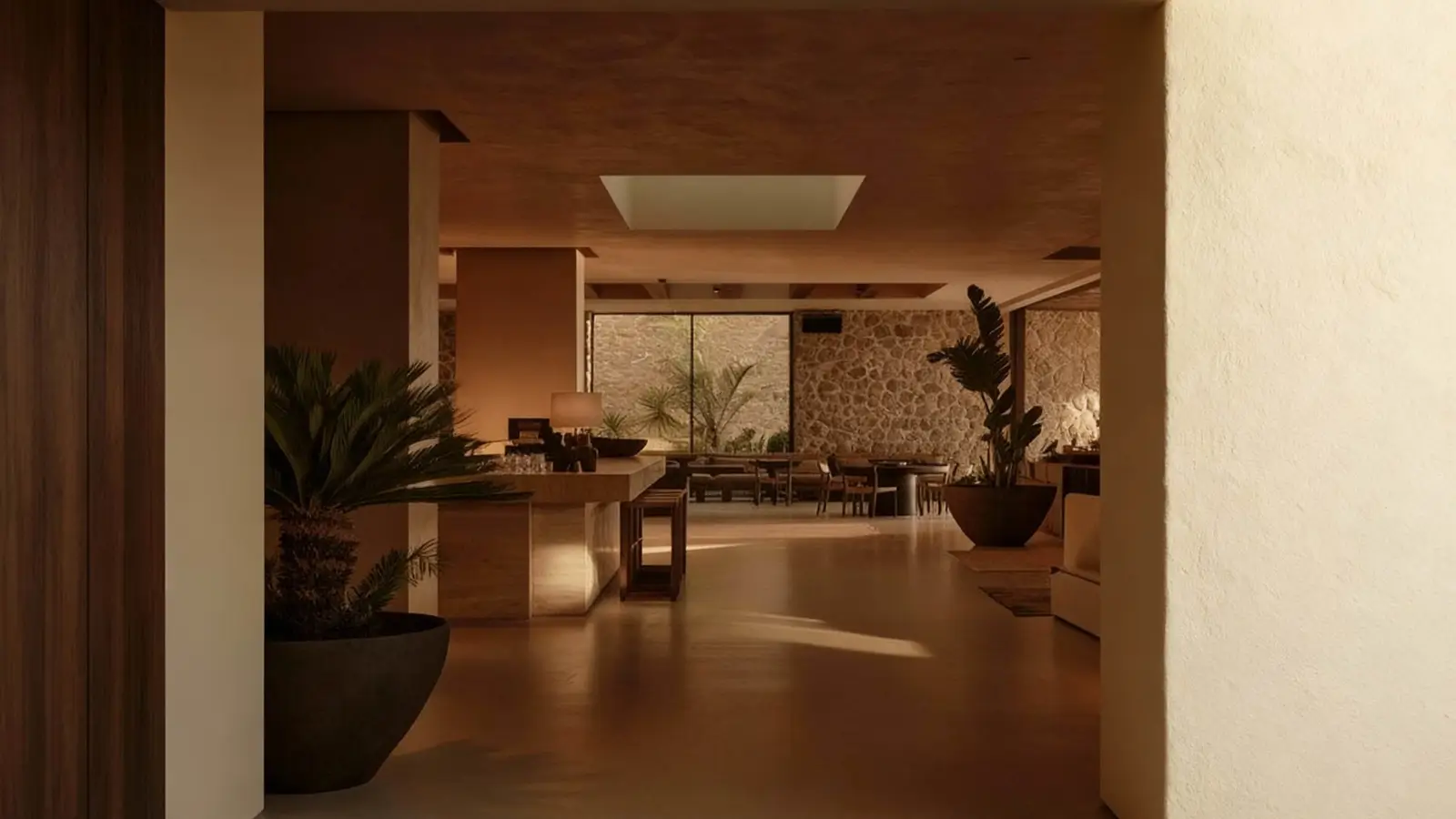
Going for upcoming project means going into something you buy into before it is built, often before it is truly started. Generally, there is a good pipeline of such projects on the market - developments which are under construction, attracting early interest or have gone on sale but are a few years from completion. This page is a guide to that pipeline of new projects, what’s coming, who’s building it and how to choose. It’s not a single address. Same procedure works whenever you go to buy.
Most of the activities described here are in Bengaluru, one of the most active markets for new projects in India. Much of the demand for upcoming projects in Bangalore is met before a project is even contemplated. One of the key reasons buyers follow this pipeline. Typically an early entry is a better choice and a better position.
Find out who the builder is and what area it’s in. Take your time in selecting your unit, floor or plot before the best ones are taken. Move in at a stage which has been historically cheaper than buying a completed home. Love and Kindness are the deal. A future house is a promise to the future therefore doing your study is very important.
It is really worth looking at the breadth of pipeline you get here. Next comes upcoming residential projects, from little apartments to vast villas, small gated communities to large townships, established sites to swiftly rising new localities. This is the complete overview and what these projects are, how to get hold of one, what the variations are, where they are popping up, who is making them and who for. This is what makes the pipeline more understandable for the new purchaser and for the experienced investor.
✦ What "upcoming", "pre-launch" and "new launch" mean
The terms you see are used somewhat informally but they indicate the evolution of a project and that has an effect on cost and risk. So the first step to ethical buying is knowing the difference. The above described conceptions are broad and are not titles of any specific project.
Upcoming / announced — the builder has revealed the project but not opened it for sale yet; details, sizes and approvals are still being finalised
Pre-launch — the project takes early interest, usually through a small, often refundable booking (an "Expression of Interest"), before its formal launch and often before RERA registration; this is the earliest point you can get in
New launch — the project has formally launched and is registered, with confirmed plans, sizes and prices, and your booking becomes a proper agreement
Under construction / ready-to-move — later stages, where building is well underway or finished; the opposite end of the pipeline from a pre-launch project
In practice, the most important line is the pre-launch/new launch set you need to sift through. Booking in advance means booking before the launch and before registration. A booking for a fresh launch is akin to a sale registered. The knowledge of what you’re building on shows how devoted you are and how much of the work actually still needs to be done.
✦ How buying an upcoming project works
Buying a home that is not yet finished is a different experience than buying a home that has already been constructed. You can engage with confidence on the stages. Each of these stages of the process has a different level of commitment, and each of these levels corresponds to the pre-launch road, the road leading up to the launch. This is the normal process from the prospect buyer's interest until the handover.
Expression of Interest (EOI) — at the pre-launch stage you place a small, usually refundable amount to register interest and lock a priority number
Allotment by priority — when the project formally launches, homes are offered in order of that priority number, so earlier registrants get first pick of the inventory
Booking and agreement — your EOI converts into a formal booking and a registered agreement once the project launches under RERA
Construction-linked payments — you then pay in stages tied to construction milestones, spreading the cost across the build period rather than all at once
Possession — the home is handed over on completion, typically a few years after launch, after which any rental income begins
The more you go, the more committed you get. An EOI is always something you can walk away from. You cannot with a documented booking. Buying early has two key benefits: the choice of unit and the reduced entry point. That is the purpose of timing.
✦ Types of upcoming projects
There are tons of options for you when it comes to projects and knowing what the possibilities are will help you match a project to your needs. Early stage buying is fascinating as there is quite a lot of variety you get when you see the pipeline. Here are the key buckets of future projects to look out for in the current pipeline.
Upcoming apartments and flats — from compact 2 BHK homes to large 4 and 5 BHK residences and penthouses, in both tall high-rise and low-rise formats; upcoming luxury apartments at the top end add bigger layouts, staff rooms and sky decks
Upcoming villas — upcoming luxury villas and row-villa communities, a very active category right now, usually low-density and gated, with several offering custom-build options
Upcoming villa plots — gated plots and villa plots for buyers who prefer to own land and build later, often with the freedom to design a bespoke home at their own pace
Upcoming township projects — large, self-contained communities mixing flats, villas, plots, shops and amenities; among the most ambitious upcoming township projects Bangalore has seen, some running to fifty acres and more
The common thread — these are all upcoming residential projects and upcoming luxury projects at an early stage, sold before completion rather than as finished stock
Most clients will be interested in one or two possibilities early on but it is worth searching the full pipeline. A planned layout, an apartment tower and a villa community are sometimes built by the same developer within a few kilometres of each other and the right option is as much about how you want to live as the headline budget.
✦ Where can you find upcoming projects
New projects in Bangalore are not evenly spread around the city, with new launches often choosing locations with jobs, roads and property that is acceptable. The big picture shows where and why the activity is at. Now the action is much further up, especially the active north.
Upcoming projects in North Bangalore — Hebbal, Jakkur, Yelahanka, Devanahalli, Sadahalli, Hennur Road and Thanisandra, driven by the airport, aerospace and tech jobs and large land parcels; the busiest belt for new launches today
Upcoming projects in East Bangalore — Whitefield, the Outer Ring Road tech belt and Hoskote, built around long-established tech employment and improving fast on the back of new infrastructure
Upcoming projects in South Bangalore — Sarjapur Road, Electronic City and the southern tech corridor, among the city's busiest buying markets
Upcoming projects in Central Bangalore — the established inner city, where land is scarce and new supply is limited but commands the highest prices in the city
The pattern — wherever you look, upcoming supply follows employment and infrastructure, which is why the airport-led north currently has the deepest pipeline
✦ Upcoming homes vs ready-to-move homes
These are two different reasons one should have to consider in such a case. The client can decide to buy early, or buy something ready. Better is not in the abstract either. It depends on your goals and how much time you have available. There’s the apparent trade off between a ready to move in and an upcoming one.
Upcoming / pre-launch — a lower entry price and first pick of inventory, but you wait for possession and carry more uncertainty about timelines and delivery
Ready-to-move — you see exactly what you get and move in at once, but you usually pay more and choose from whatever is left
The deciding factors — how soon you need the home, how much price you are willing to trade for certainty, and how much you value choosing the exact unit
In short — buy an upcoming project if you can wait and want choice and value; buy ready-to-move if you need a home now and want certainty
Most purchasers want a little bit of both – the truth is if their move is a few years away they want value and choice, or a project; or a ready-to-move property if they need to settle now. And the next one says, sacrifice some certainty today for a stronger position tomorrow.
✦ Top builders behind upcoming projects
Essentially a big part of project appraisal is an appraisal of the developer behind it. Big names have value, they carry value. The builder’s track record for delivery is frequently the best indicator a customer has in pre-launch when not much else is set in stone. They are among the most active in the pipeline of new developments in the city. They are a very important indicator of where the big construction is going for the long-term.
Embassy Group is the name you often see when you think of top-grade office parks and to top it all it is also a massive REIT sponsor. You can easily find a good number of Embassy Group upcoming projects North Bangalore and there are large townships and ultra-luxury homes near the airport and Hebbal all of which are ultra prime offerings. Same with Puravankara upcoming projects in Bangalore as well, and you will find their homes in most regions of the city and especially up north. Then there is Sobha upcoming projects in Bangalore which are all about backward-integrated top class build quality. Another great choice is the Century upcoming projects North Bangalore among which you see excellent upcoming ones like Jakkur township.
That is not all though - you also have a good number of Godrej upcoming projects in Bangalore and Brigade upcoming projects in Bangalore and these are names you can definitely go with because of brand value plus solid reliability factor. If it is niche you have in mind, then you cannot look past Total Environment upcoming projects in North Bangalore which are fully about nature focus and making sure green is the theme across. Prestige, L&T Realty and White Lotus are some of the other ones you can opt for and there is a great number of choices for all types of homes like apartments, villas, plots and townships.
✦ Approvals and RERA, explained
RERA awareness is your best bet for a secure purchase as projects are at different stages of certification. The earlier the project, the more approvals are still being worked through and that affects the risk you take on. So here’s all you need to look for.
Pre-launch projects are often not yet RERA-registered, so an early booking is a soft reservation, not a registered purchase
RERA registration confirms the project's official number, approved plans, sizes, timelines and money protections held in escrow
Once a project is registered, you can check its number on the Karnataka RERA website and match the marketed plan against the approved one — a registered example here is Century's Jakkur project, which carries RERA number PRM/KA/RERA/1251/309/PR/160526/008662
At the earliest stage, the builder's past delivery record is one of the few solid things to go on, which is why brand matters most before registration
The basic line is that registration is the border between interest and commitment. There is value in taking an interest in a project before it is launched, but the best time to take meaningful monetary decisions is when you have the RERA number in hand and you can see the sanctioned plan.
✦ Who should buy an upcoming project?
Upcoming homes are good for diverse consumers, for various reasons, so it helps to get clear on the fit. Early adopters and investors buy early for various reasons and here are some of the people who benefit from this new mode.
End-users who want first pick in a particular project or area and can plan a move a few years out
Investors seeking an early, lower entry price in a credible project, comfortable with a wait and willing to do the checks
NRI buyers wanting a well-built, well-located home from a trusted builder, often timed around a future return to the city
Less suited to anyone who needs a home right away — for them, a ready-to-move home is the better route
The one common denominator for all of these though is time horizon. This is the type of project for people who can wait for possession and utilize the time to do all checks they want. This is not for those who need a home now or have more immediate needs. Whichever side you come down on, the most important filter of all is to know well what you want.